Game news · AI
Inside The End of the Sun’s museum-inspired world
The End of the Sun combines Slavic folklore with Polish culture through first-person exploration, photogrammetry and real historical artifacts. The developers say approximately 80% of the objects encountered in the game’s locations were scanned from real-world originals, with museum pieces inspiring quests, environmental stories and optional historical discoveries.
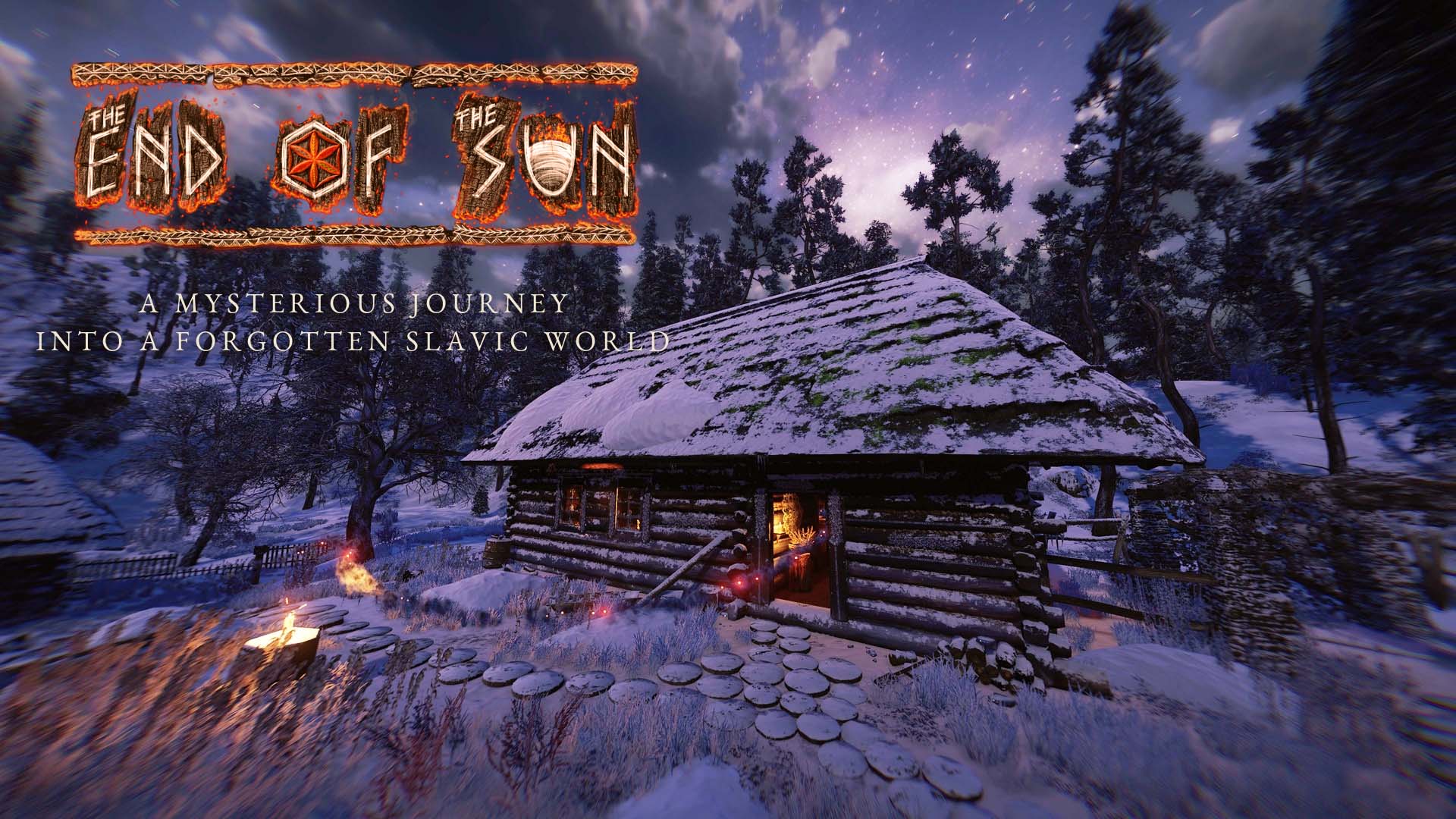
From Polish Museums to a Living Game World
The End of the Sun is a first-person adventure inspired by Slavic folklore, with players taking the role of a Slavic sorcerer investigating the mystery of an abandoned village. Its world draws on Polish culture, ancient beliefs and traditions rarely explored in video games.
Photogrammetry was central to creating that setting, allowing real-world objects to be incorporated as detailed 3D models. Working with the Open-Air Museum in Szymbark and the Grociarnia Ethnographic Museum in Jastrzębia, the team scanned hundreds of historical objects, including complete buildings, after taking thousands of photographs during research trips.
The digital reproductions also serve as a record of cultural heritage. Some original artifacts may deteriorate or disappear over time, so preserving their forms in the game could leave a digital trace for future generations.
Historical Artifacts Become Gameplay
The artifacts were designed to be more than scenery. Players can interact with them, learn how they functioned and discover how they fit into the everyday lives of the people who used them. A quest with a traditional hand mill, for example, lets the player examine its components and discover how it ground grain into flour; other quests involve twisting rope or sharpening a knife.
Optional “Learn More” points provide another way to engage with unfamiliar objects, explaining their former use and adding some of their history. This lets the developers present traditional crafts, customs and Slavic beliefs without interrupting the adventure with lengthy historical explanations.
The design process sometimes ran in reverse as well: rather than choosing an artifact to fill an existing quest, the team occasionally adapted parts of the story around a particularly compelling discovery. Objects also support environmental storytelling, with a carpenter’s workshop or weaving tools revealing a character’s profession, personality and daily life.
The result is an environment players are encouraged to examine slowly. The team describes walking through a cottage as resembling a visit to a small interactive museum, but with objects available for discovery instead of displayed behind glass. Approximately 80% of the objects encountered in locations were scanned from real originals, preserving visible wear, imperfections and traces of previous use.
Polish Culture and Nature in Detail
The game’s locations were not limited to museum collections. The developers scanned rocks of varying shapes and sizes in local nature reserves and incorporated intricate bobbin lace from a local gallery. Cottage interiors and everyday objects feature hand-painted floral patterns inspired by Zalipie, a village known for its colorful painted houses.
Together, these cultural and natural details are intended to make the village feel like a place where people lived, worked and celebrated traditions. The developers wanted players to encounter that heritage through exploration and curiosity rather than through a direct history lesson.
A Village That Changes with Time
The cottages scanned in open-air museums were not left as static models. Because the story moves through all four seasons and different points in time, the team modified buildings to reflect the changes in the narrative. A cottage may display damage or neglect at one stage and appear renovated at another, allowing the environment itself to communicate the passage of time.
Vegetation was designed to reflect the Central European climate as the seasons changed. The team also recorded natural sounds outdoors across all four seasons and used those recordings in the game’s soundscape, combining real historical objects, altered buildings, seasonal landscapes and environmental audio to give the village a sense of history and mystery.
The End of the Sun is out today on XBOX Series X|S, with the team inviting players to explore its mysterious Slavic village, uncover its secrets and discover the history preserved throughout its environments.
At a glance
- Real-world artifact scan
- Approximately 80% of the objects encountered while exploring The End of the Sun’s locations were scanned from real-world originals.
- Interactive artifact quests
- Quests let players examine a hand mill’s individual parts, twist rope with traditional tools and sharpen a knife with other traditional tools.
- Optional historical discovery
- Optional “Learn More” points reveal an unfamiliar object’s purpose and provide information about its history.
- Museum partnerships
- The developers partnered with the Open-Air Museum in Szymbark and the Grociarnia Ethnographic Museum in Jastrzębia to scan hundreds of historical objects, including entire buildings.
- Changing cottages and seasons
- The game spans all four seasons and different points in time, with scanned cottages modified to show changes such as damage, neglect and renovation.
- Current Xbox availability
- The End of the Sun is out today on XBOX Series X|S.
Related games
The End of the SunSources and language information
Official information · Source language: English
Source region / storefront: Not specified by the source; language does not imply availability.